


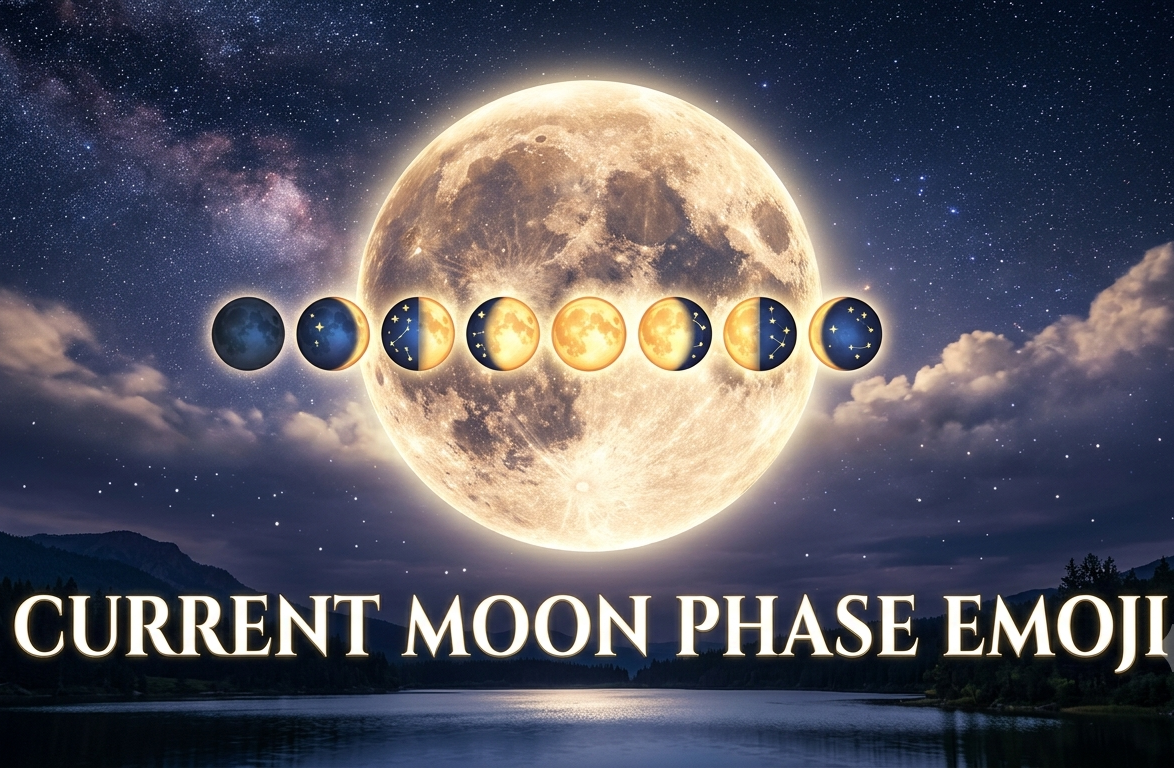
The moon has fascinated humanity for thousands of years. From ancient civilizations tracking time through lunar cycles to modern smartphone users expressing emotions through emojis, the moon continues to play an important role in our daily lives. One topic that has recently gained attention online is the current moon phase emoji. People search for it for various reasons, including social media trends, astrology updates, astronomy interests, and simple curiosity about the moon’s appearance at a given time.
The popularity of moon phase emojis has increased significantly as more people use visual symbols to communicate ideas, moods, and interests. Whether you’re posting on social media, creating content, discussing astrology, or simply checking the moon’s current phase, moon emojis have become a universal way to represent the changing lunar cycle.
In this guide, we will explore everything you need to know about the current moon phase emoji, including its meaning, different moon phase symbols, practical uses, and why it continues to attract millions of searches across the internet.
What Is a Current Moon Phase Emoji?
A current moon phase emoji is a visual representation of the moon’s present stage in its lunar cycle. The moon continuously changes appearance throughout the month as it orbits Earth, and emoji designers have created symbols that represent these various phases.
Most modern devices support multiple moon phase emojis. These include the new moon, waxing crescent, first quarter, waxing gibbous, full moon, waning gibbous, last quarter, and waning crescent. Each emoji reflects a specific point in the moon’s approximately 29.5-day lunar cycle.
People often search for the current moon phase emoji because they want to match the actual moon phase with an emoji for social media posts, astronomy discussions, journal entries, or astrological content. Instead of typing lengthy explanations, users can simply insert the appropriate moon emoji to visually communicate the current lunar phase.
Another reason for their popularity is accessibility. Moon phase emojis allow people to instantly recognize the moon’s stage without needing extensive knowledge of astronomy. A simple emoji can convey information that might otherwise require several sentences of explanation. And therefore, current moon phase emoji is trending these days.
Understanding the Different Moon Phase Emojis
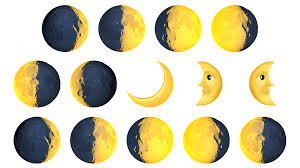
The moon does not remain the same throughout the month. As a result, there are several current moon phase emoji available to represent the lunar cycle accurately. Understanding each one helps users choose the right symbol when discussing the current moon phase.
The new moon emoji represents the beginning of the lunar cycle. During this phase, the side of the moon facing Earth receives very little sunlight, making it appear dark in the night sky. Many people associate the new moon with fresh starts, goal setting, and new opportunities.
The waxing moon emojis symbolize growth and progression. As more of the moon becomes illuminated, the crescent and gibbous phases represent movement toward fullness. These emojis are commonly used to symbolize personal development, motivation, and positive momentum.
The full moon emoji is perhaps the most recognized moon symbol. It represents the point when the moon is fully illuminated from Earth’s perspective. Many cultures associate the full moon with heightened emotions, spiritual practices, celebrations, and natural beauty.
The waning current moon phase emoji indicate a gradual decrease in illumination following the full moon. These phases often symbolize reflection, completion, rest, and letting go. Their meanings vary depending on cultural traditions and personal interpretations.
Why People Search for the Current Moon Phase Emoji
One of the biggest reasons people search for the current moon phase emoji is social media engagement. Platforms like Instagram, X, TikTok, and Facebook frequently feature content related to lunar events. Users often want to accurately represent the moon’s current phase when creating posts.
Astrology enthusiasts are another major group interested in current moon phase emoji. Lunar cycles play a significant role in many astrological practices, and users frequently search for the correct emoji to accompany horoscopes, moon rituals, and zodiac-related content.
Astronomy lovers also contribute to the search volume. Many individuals enjoy tracking celestial events and use moon phase emojis in discussions, educational content, and observational journals. The visual nature of emojis makes them ideal for communicating astronomical information quickly.
Some people simply enjoy the aesthetic appeal of current moon phase emoji. The moon has long been associated with mystery, beauty, romance, and creativity. Using moon phase emojis adds visual interest to messages, captions, and digital content while conveying a deeper symbolic meaning.
How Moon Phase Emojis Are Used on Social Media
Moon phase emojis have become an important part of online communication. Their versatility allows them to be used across many types of content, ranging from personal updates to professional branding.
Content creators often include moon phase emojis in captions related to mindfulness, wellness, spirituality, and self-improvement. The moon’s changing phases naturally align with themes of growth, transformation, and reflection, making these emojis particularly appealing.
Lifestyle influencers frequently use moon emojis to enhance the visual appeal of their posts. Whether discussing nighttime routines, meditation practices, or celestial photography, moon symbols help create a cohesive aesthetic that resonates with audiences.
Businesses and brands also incorporate moon phase emojis into their marketing efforts. Companies in industries such as wellness, astrology, skincare, and lifestyle products often use lunar imagery to connect with consumers and strengthen brand identity.
The growing popularity of moon-themed content has made moon phase emojis valuable tools for increasing engagement and attracting attention in crowded social media feeds.
The Symbolic Meaning Behind Moon Phase Emojis
Beyond their astronomical significance, moon phase emojis carry powerful symbolic meanings. Different cultures and belief systems have attached unique interpretations to lunar phases for centuries, and many of these associations continue today.
The new moon is often viewed as a symbol of beginnings. People use the new moon emoji when starting projects, setting intentions, or embracing new chapters in life. It represents possibility and untapped potential.
The waxing phases symbolize growth and expansion. These emojis are commonly associated with progress, ambition, and building momentum. They are often used in motivational content and personal development discussions.
The full moon is frequently connected to clarity, achievement, and emotional intensity. Many people consider it a time of heightened awareness and reflection. As a result, the full moon emoji often appears in posts related to accomplishments, celebrations, and personal insights.
The waning phases represent release and closure. They remind users that endings are a natural part of life’s cycles. These emojis are often used when discussing self-care, healing, and moving forward from past experiences.
How to Find the Current Moon Phase Emoji
Finding the current moon phase emoji is easier than ever thanks to modern technology. Many websites, weather applications, astronomy tools, and smartphone widgets provide real-time information about the moon’s current phase.
Users can simply search online for the current moon phase and compare the displayed lunar stage with the corresponding emoji. Most moon tracking apps also include moon phase symbols alongside detailed lunar information.
Smartphone emoji keyboards typically offer a complete collection of moon phase emojis. Once users identify the current lunar stage, they can quickly insert the matching emoji into messages, social media posts, or digital content.
For those interested in accuracy, astronomy apps often provide highly detailed lunar data, including illumination percentages, moonrise times, and upcoming phase transitions. These tools make it simple to select the correct moon phase emoji at any given moment.
The Future of Moon Phase Emojis in Digital Communication
As digital communication continues to evolve, moon phase emojis are likely to remain highly relevant. Their combination of visual simplicity and symbolic depth makes them powerful communication tools across cultures and languages.
The increasing interest in wellness, mindfulness, astrology, and astronomy has further boosted the popularity of moon-related content. As these topics continue to grow, demand for moon phase emojis will likely increase as well.
Technology may also introduce more advanced lunar visualizations in the future. Enhanced emoji designs, animated moon phases, and interactive lunar features could provide users with even more ways to express themselves and engage with moon-related content.
The enduring fascination with the moon ensures that moon phase emojis will continue to hold cultural and practical significance in the digital age.
Conclusion
The current moon phase emoji is much more than a simple symbol on your keyboard. It represents a connection between ancient lunar observation and modern digital communication. Whether you are interested in astronomy, astrology, social media trends, or personal symbolism, moon phase emojis provide a simple yet meaningful way to express the moon’s changing journey through the sky.
As more people seek visual and engaging forms of communication, moon phase emojis continue to grow in popularity. Understanding their meanings, uses, and symbolism allows users to communicate more effectively while adding creativity and personality to their online interactions. The next time you check the moon’s current phase, you’ll know exactly which emoji best represents it and why it matters.
You May Also Read: Website Redesign SEO

