


Table of Contents
- What Are Exterior Shades?
- Why Ext. Shades Are Becoming More Popular
- Types of Ext. Shades
- Major Benefits of Ext. Shades
- Ext. Shades vs Interior Shades
- Choosing the Right Ext. Shades
- Materials Used in Ext. Shades
- Installation Options
- Maintenance and Cleaning Tips
- Common Mistakes to Avoid
- Cost of Ext. Shades
- Comparison Table
- Frequently Asked Questions
- Final Thoughts
INTRODUCTION
Outdoor spaces have become an extension of modern homes, offering the perfect place to relax, entertain guests, or simply enjoy fresh air. However, excessive sunlight, heat, glare, and unpredictable weather can make patios, decks, balconies, and outdoor seating areas uncomfortable. This is where exterior shades make a noticeable difference.
Unlike indoor window coverings, ext. shades are installed outside your windows or outdoor structures, stopping sunlight before it reaches the glass. This simple difference improves comfort, protects furniture, increases privacy, and even helps reduce indoor cooling costs.
Whether you’re planning to upgrade your home’s curb appeal, create a more enjoyable backyard, or improve energy efficiency, understanding how ext. shades work will help you make the right investment. This guide covers everything you need to know, from the different types available to installation tips, maintenance advice, cost considerations, and frequently asked questions.
What Are Exterior Shades?
Ext. shades are protective coverings installed on the outside of windows, patios, pergolas, balconies, porches, and outdoor living areas. Their primary purpose is to block direct sunlight before it enters your home or outdoor space.
Because they intercept sunlight outside the building, outdoor shades significantly reduce heat transfer. This makes rooms cooler during hot months while protecting furniture, flooring, and décor from harmful UV rays.
Today’s exterior shading systems are available in manual, motorized, and smart-home compatible versions. Homeowners can choose from retractable shades, roller shades, zip-track systems, solar screens, and custom-made patio shades depending on their needs.
Why Exterior Shades Are Becoming More Popular
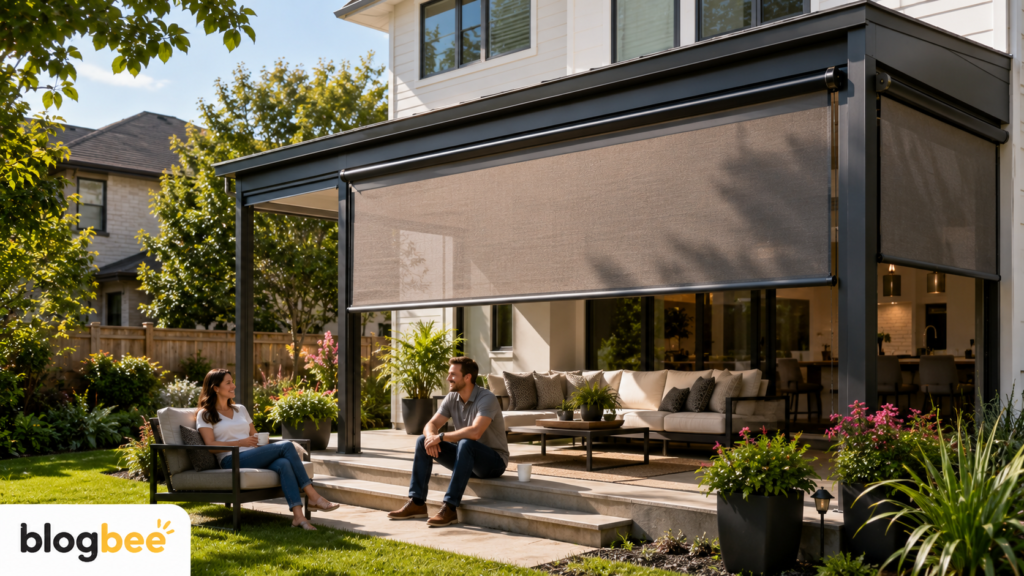
One of the biggest reasons homeowners install ext. shades is comfort. Sitting on a patio during summer becomes much more enjoyable when harsh sunlight is filtered without completely blocking the outdoor view.
Energy efficiency is another major factor. Since less heat enters through windows, air conditioning systems don’t have to work as hard. While actual savings depend on climate, window orientation, and the product selected, reducing solar heat gain can contribute to lower cooling demand.
Modern homes also emphasize outdoor living. Whether it’s a backyard dining area, poolside lounge, or rooftop terrace, exterior window shades help create functional outdoor spaces throughout more months of the year.
Types of Exterior Shades
Roller Exterior Shades
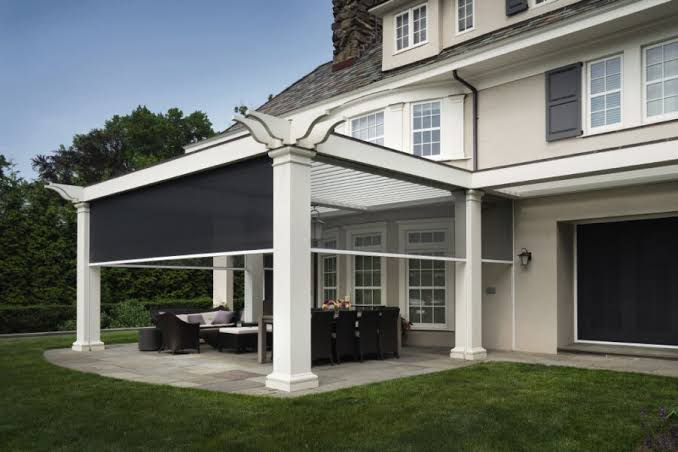
Roller shades are among the most common options. They roll up neatly when not in use and can be operated manually or electronically.
These shades are ideal for patios, pergolas, balconies, and large windows. Their clean appearance complements both modern and traditional architecture.
Many homeowners prefer roller ext. shades because they provide excellent UV protection while maintaining outside visibility.
Retractable Exterior Shades
Retractable systems offer flexibility. During cooler weather, you can fully open them to enjoy sunlight. When temperatures rise, simply lower the shades.
Motorized retractable ext. shades are becoming increasingly popular because they can be controlled with remote controls, smartphone apps, or smart home systems.
Although they cost more initially, their convenience often makes them worth considering for larger outdoor living areas.
Solar Exterior Shades
Solar shades use specially woven fabrics that block a significant portion of UV rays while still allowing natural light to pass through.
Instead of creating complete darkness, they reduce glare and heat while preserving outdoor views. They’re especially popular for homes with large glass windows facing direct sunlight.
Solar ext. shades are commonly available with different openness factors, allowing homeowners to balance visibility and sun protection.
Zip Track Exterior Shades
Zip-track shades include side channels that securely hold the fabric in place. This design prevents movement during windy conditions.
These systems provide a cleaner appearance and better insect protection compared to standard roller shades.
They’re commonly installed around patios, outdoor kitchens, gazebos, and commercial seating areas.
Major Benefits of Exterior Shades
Better Temperature Control
Ext. shades block solar heat before it reaches your windows. This helps indoor spaces stay cooler during hot weather without relying entirely on air conditioning.
Homes with west-facing windows often experience noticeable improvements in afternoon comfort after installing outdoor window shades.
Reducing solar heat gain also contributes to a more consistent indoor temperature throughout the day.
UV Protection
Direct sunlight can gradually damage flooring, furniture, artwork, curtains, and upholstery.
Exterior solar shades help filter harmful ultraviolet rays, helping preserve the appearance of interior furnishings over time.
This protection also makes outdoor seating areas more comfortable for extended use.
Increased Privacy
Depending on the fabric you choose, ext. shades provide daytime privacy while maintaining visibility from inside.
Patios, balconies, and front porches become more secluded without requiring permanent walls or fences.
This added privacy is particularly valuable in densely populated neighborhoods.
Improved Outdoor Living
Outdoor spaces become much more usable when excessive sunlight is controlled.
Whether you’re hosting family gatherings, enjoying morning coffee, or working outdoors, patio ext. shades create a more pleasant environment.
Many homeowners find themselves spending significantly more time outdoors after installing shade systems.
Modern Appearance
Ext. shades add clean architectural lines to homes.
Manufacturers now offer a wide range of colors, fabrics, and frame finishes that complement different architectural styles.
When properly selected, they enhance curb appeal while remaining highly functional.
Exterior Shades vs Interior Shades
Interior blinds and curtains certainly help control light, but they only address sunlight after it has already entered through the glass.
Ext. shades stop sunlight before it reaches the window, making them generally more effective at reducing solar heat gain.
For homeowners seeking better energy performance, combining exterior shading with interior blinds often delivers the best overall comfort.
Choosing the Right Exterior Shades
Start by identifying which direction your windows face. South-facing and west-facing windows typically receive the most intense sunlight throughout the day.
Next, determine whether your priority is privacy, UV protection, glare reduction, weather resistance, or overall aesthetics.
Fabric openness also matters. Lower openness percentages provide greater privacy and heat reduction, while higher openness factors preserve better outdoor views.
Motorized ext. shades may be worth considering if you’ll frequently adjust them or have hard-to-reach installation areas.
Materials Used in Exterior Shades
High-quality ext. shades are designed to withstand changing weather conditions.
PVC-coated polyester fabrics resist fading, moisture, mildew, and UV exposure while maintaining durability.
Mesh fabrics remain popular because they allow airflow while reducing heat buildup.
Aluminum frames provide excellent corrosion resistance and require relatively little maintenance.
Some premium systems also include stainless steel hardware for additional durability in coastal environments.
Installation Options
Professional installation ensures proper alignment, smooth operation, and long-term reliability.
Installers carefully measure windows, patios, pergolas, or outdoor openings to achieve an exact fit.
DIY installation is possible for certain manual roller shades, particularly smaller window applications. However, larger motorized systems generally benefit from professional installation.
If your shades integrate with smart home technology or require electrical connections, professional installation is strongly recommended.
Maintenance and Cleaning Tips
Ext. shades require surprisingly little maintenance when cared for regularly.
Dust, pollen, and debris should be gently brushed away before they accumulate.
Most fabrics can be cleaned using mild soap, water, and a soft cloth or sponge. Harsh chemicals should generally be avoided unless recommended by the manufacturer.
Inspect moving parts periodically, especially if you have retractable or motorized systems. Addressing minor issues early helps extend the lifespan of the entire installation.
During severe storms or unusually strong winds, retracting shades when appropriate can help reduce unnecessary wear.
Common Mistakes to Avoid
One common mistake is choosing the wrong fabric openness. Some homeowners prioritize visibility only to discover insufficient glare reduction.
Another mistake is ignoring local weather conditions. Wind exposure, humidity, and heavy rainfall should influence product selection.
Poor measurements can also create installation problems. Even small errors may affect operation and appearance.
Finally, many homeowners focus solely on price instead of overall quality. Investing in durable materials often reduces maintenance and replacement costs over the long term.
Cost of Exterior Shades
The cost of ext. shades depends on several factors, including size, material, operating system, customization, and installation requirements.
Manual roller shades generally represent the most affordable option.
Motorized ext. shades cost more because they include electrical components, remote controls, and automation features.
Custom zip-track systems typically occupy the premium end of the market due to their durability and advanced engineering.
Rather than comparing products based only on initial price, consider durability, warranty coverage, maintenance requirements, and long-term value.
Exterior Shades Comparison Table
| Feature | Roller Shades | Solar Shades | Zip Track Shades | Retractable Shades |
| Heat Reduction | Excellent | Excellent | Excellent | Excellent |
| UV Protection | High | Very High | High | High |
| Wind Resistance | Moderate | Moderate | Excellent | Good |
| Privacy | Good | Moderate | Excellent | Good |
| Outdoor View | Good | Excellent | Good | Good |
| Maintenance | Easy | Easy | Moderate | Moderate |
| Best For | Windows & Patios | Large Windows | Windy Areas | Flexible Outdoor Spaces |
| Motorized Option | Yes | Yes | Yes | Yes |
Final Thoughts
Ext. shades are one of the most practical upgrades for homeowners who want to improve outdoor comfort, reduce indoor heat, and enhance the appearance of their property. From simple manual roller shades to advanced motorized systems, there is an option suitable for nearly every home and budget.
The right exterior shading solution depends on your climate, window orientation, desired level of privacy, and overall design preferences. By selecting durable materials, ensuring proper installation, and performing occasional maintenance, you can enjoy a more comfortable outdoor living space while protecting your home’s interior from excessive sunlight.
Whether you’re upgrading a backyard patio, covering large windows, or creating a relaxing outdoor retreat, ext. shades provide a balanced combination of style, comfort, and functionality that continues to make them a popular home improvement choice.
Frequently Asked Questions
Are exterior shades worth the investment?
Yes. They improve comfort, reduce glare, protect furnishings from UV exposure, and can help lower cooling demand by reducing solar heat gain.
Do exterior shades block all sunlight?
No. Most products are designed to filter sunlight rather than eliminate it completely. Different fabric openness levels allow varying amounts of natural light.
Can exterior shades withstand rain?
Most high-quality ext. shades are weather-resistant. However, prolonged exposure to severe storms or strong winds may require retracting them, depending on the manufacturer’s recommendations.
How long do exterior shades last?
Quality ext. shades often last many years with proper installation and routine maintenance. Actual lifespan depends on climate, usage, and material quality.
Can I install exterior shades myself?
Some manual systems are suitable for experienced DIY users. Motorized or custom-built systems are generally best installed by professionals.
Are motorized exterior shades better?
Motorized systems offer greater convenience, especially for large installations or hard-to-reach areas. They also integrate with many smart home platforms.

