


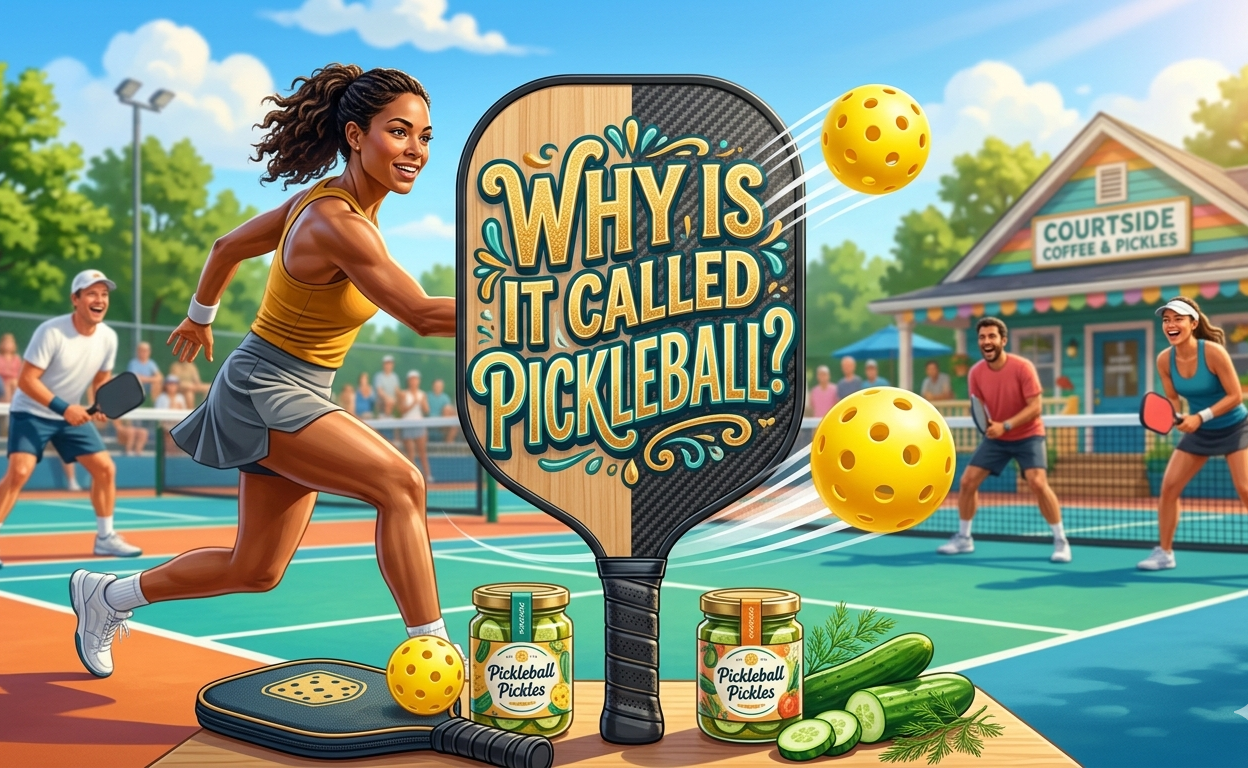
Pickleball has exploded in popularity over the past few years. From neighborhood recreation centers to professional tournaments, the sport seems to be everywhere. People of all ages are picking up paddles, learning the rules, and joining the growing community of enthusiasts. Yet despite its widespread appeal, one question continues to puzzle newcomers: why is it called pickleball?
The name itself sounds unusual. Unlike tennis, basketball, or volleyball, the word “pickleball” doesn’t immediately reveal anything about the game. In fact, many people assume the sport must have something to do with pickles. Some even imagine players hitting pickle-shaped balls across the court. While those assumptions are amusing, the real story behind the name is far more interesting.
Over the years, different explanations have emerged regarding the origins of the name. Some are supported by historical evidence, while others have become popular myths repeated throughout the pickleball community. Understanding where the name came from offers a fascinating glimpse into the sport’s humble beginnings and helps explain how a backyard pastime evolved into a global phenomenon. Why is it called pickleball trending these days and people are curious to know about why is it called pickleball?
The Birth of Pickleball: Why Is It Called Pickleball?
To understand the name, it’s important to first understand how the game itself was born. Pickleball was created during the summer of 1965 on Bainbridge Island in Washington State. Three friends—Joel Pritchard, Bill Bell, and Barney McCallum—wanted to create an activity that would entertain their families.
The story begins when the men returned home and found their children bored with the available recreational options. Looking for a solution, they gathered whatever sports equipment they could find. Using a badminton court, table tennis paddles, and a perforated plastic ball, they improvised a new game that combined elements of several existing sports. Why is it called pickleball is the question of may people.
What started as a simple family activity quickly became something special. The creators refined the rules, adjusted the equipment, and continued improving the game. Before long, neighbors and friends began playing as well. Although they likely had no idea at the time, they were laying the foundation for one of the fastest-growing sports in modern history.
The game’s unique blend of accessibility, strategy, and fun made it appealing to players of all ages. However, even as the rules evolved, one mystery remained: what should they call this new sport? Why is it called pickleball?
The Most Popular Theory: The Family Dog Named Pickles
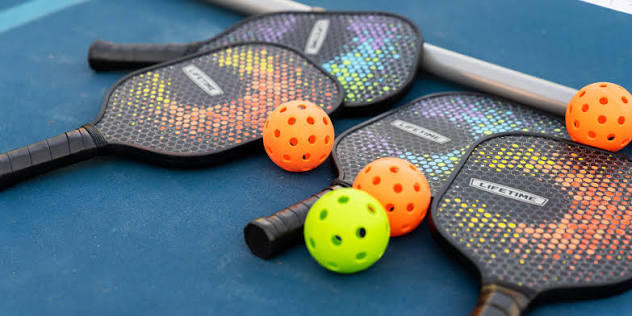
Perhaps the most widely known explanation involves a dog named Pickles. According to this story, the Pritchard family owned a dog that would chase after the ball during games and run away with it. Family members supposedly began referring to the game as “Pickle’s Ball,” which eventually evolved into “Pickleball.”
This version of the story became incredibly popular because it is memorable and charming. It paints a picture of a playful family pet accidentally inspiring the name of a sport that would later become internationally recognized. Many people still believe this explanation today that why is it called pickleball?
The dog story spread quickly as pickleball gained popularity across the United States. Media outlets, players, and even some promotional materials repeated the tale. As a result, the dog named Pickles became almost as famous as the sport itself. And curiosity of people why is it called pickleball is still there?
However, there is one major problem with this explanation. Historical records suggest that the game may have been named before the dog was even part of the family. This inconsistency has led many historians and pickleball enthusiasts to question whether the beloved dog story is actually accurate.
The Alternative Explanation: The Pickle Boat Theory
Another explanation is widely considered to be more historically accurate. According to this theory, the name comes from the term “pickle boat,” a phrase used in rowing.
In rowing competitions, a pickle boat is a crew made up of leftover rowers from different teams. Rather than being a carefully selected group, it is essentially a collection of available participants brought together into a single boat.
This concept closely mirrors how pickleball was originally created. The sport combined elements from several existing games, including badminton, tennis, and table tennis. Since it was assembled from pieces of different sports, the name “pickleball” was thought to be an appropriate description.
Joan Pritchard, the wife of co-creator Joel Pritchard, reportedly suggested the name because the game reminded her of a pickle boat. Since the sport was a mixture of various athletic concepts, the comparison seemed fitting (why is it called pickleball).
Many historians consider this explanation more credible because it aligns better with the timeline of events surrounding the sport’s development.
Which Story Is Actually True?
The debate between the dog story and the pickle boat theory has continued for decades. Both explanations are deeply rooted in pickleball history, and both have passionate supporters.
Research conducted by historians and organizations involved in preserving pickleball’s history generally points toward the pickle boat explanation as the original source of the name. Evidence suggests that the game was named before the Pritchard family’s dog entered the picture.
According to several accounts, the dog may have actually been named after the sport rather than the other way around. If this is true, the popular story many people know has the sequence reversed.
Despite the historical evidence, the dog story remains incredibly popular because it is easier to remember and more entertaining. People naturally enjoy stories involving pets, and the image of a playful dog stealing balls fits perfectly with the friendly nature of the sport.
In reality, both stories have become part of pickleball folklore, contributing to the game’s unique identity and charm.
Why the Name Pickleball Stands Out
One reason people are so curious about pickleball is that the name sounds completely different from other sports. Most sports are named after obvious characteristics, equipment, or actions associated with the game. Here we will describe why is it called pickleball and why this name stands out?
For example, basketball involves a basket and a ball. Volleyball involves volleying a ball back and forth. Football centers around a ball and, depending on the version, foot-related play. Pickleball doesn’t offer the same immediate clue.
This unusual name has actually become one of the sport’s greatest marketing advantages. The first time people hear the word “pickleball,” they often want to know more. Curiosity naturally sparks conversation and encourages newcomers to investigate the game.
In a crowded sports landscape, having a memorable name helps create a strong identity. Why is it called pickleball? A unique name makes it instantly recognizable and contributes to its growing popularity.
How Pickleball Became a Global Phenomenon
Why is it called pickleball and when was first invented in a backyard, few people could have predicted its future success. For many years, the sport remained relatively unknown outside certain communities. However, that began to change dramatically in the 21st century.
One of the key reasons for its growth is accessibility. The rules are relatively simple, the court is smaller than a tennis court, and players of varying ages and skill levels can compete together. This inclusiveness has attracted millions of participants.
Communities have embraced pickleball because it encourages social interaction while providing excellent exercise. Many players appreciate that the sport can be both competitive and recreational, depending on personal preferences.
Professional tournaments, dedicated facilities, and increased media coverage have further accelerated growth. Today, why is it called pickleball and played in numerous countries and continues to attract new fans every year.
Interestingly, the unusual name that once raised eyebrows has become one of the sport’s most recognizable assets.
Fun Facts About Why Is It Called Pickleball Name and History
Many newcomers are surprised to learn that pickleball has existed for more than half a century. While it may seem like a recent trend, the sport has been steadily developing since the 1960s.
Another interesting fact is that the original equipment looked very different from what players use today. Early participants improvised with whatever materials were available, while modern players enjoy specialized paddles and advanced ball designs.
The ongoing debate over the sport’s name has become part of its culture. Whether someone believes the dog story or the pickle boat theory, discussing the origin often serves as an icebreaker among players.
The sport’s history demonstrates how creativity and simple ideas can evolve into something extraordinary. What began as a family activity eventually transformed into an international sporting movement.
Final Thoughts
So, why is it called pickleball? While many people love the story of a dog named Pickles chasing balls around the yard, historical evidence suggests that the name most likely originated from the rowing term “pickle boat.” Since the game was created by combining elements of different sports, the comparison made perfect sense.
Regardless of which story you prefer, both have become important parts of pickleball’s identity. The mystery surrounding the name adds personality and intrigue to a sport already known for its welcoming atmosphere and broad appeal.
Today, pickleball is far more than just an unusual name. It represents community, competition, fitness, and fun for millions of players around the world. And every time a newcomer asks, “Why is it called pickleball?” they become part of the ongoing conversation that has helped make the sport so memorable.
The next time you step onto a pickleball court, you’ll not only know how the game is played—you’ll also know the fascinating story behind one of the most unique names in sports history.
You May Also Read: Rescheduled

