


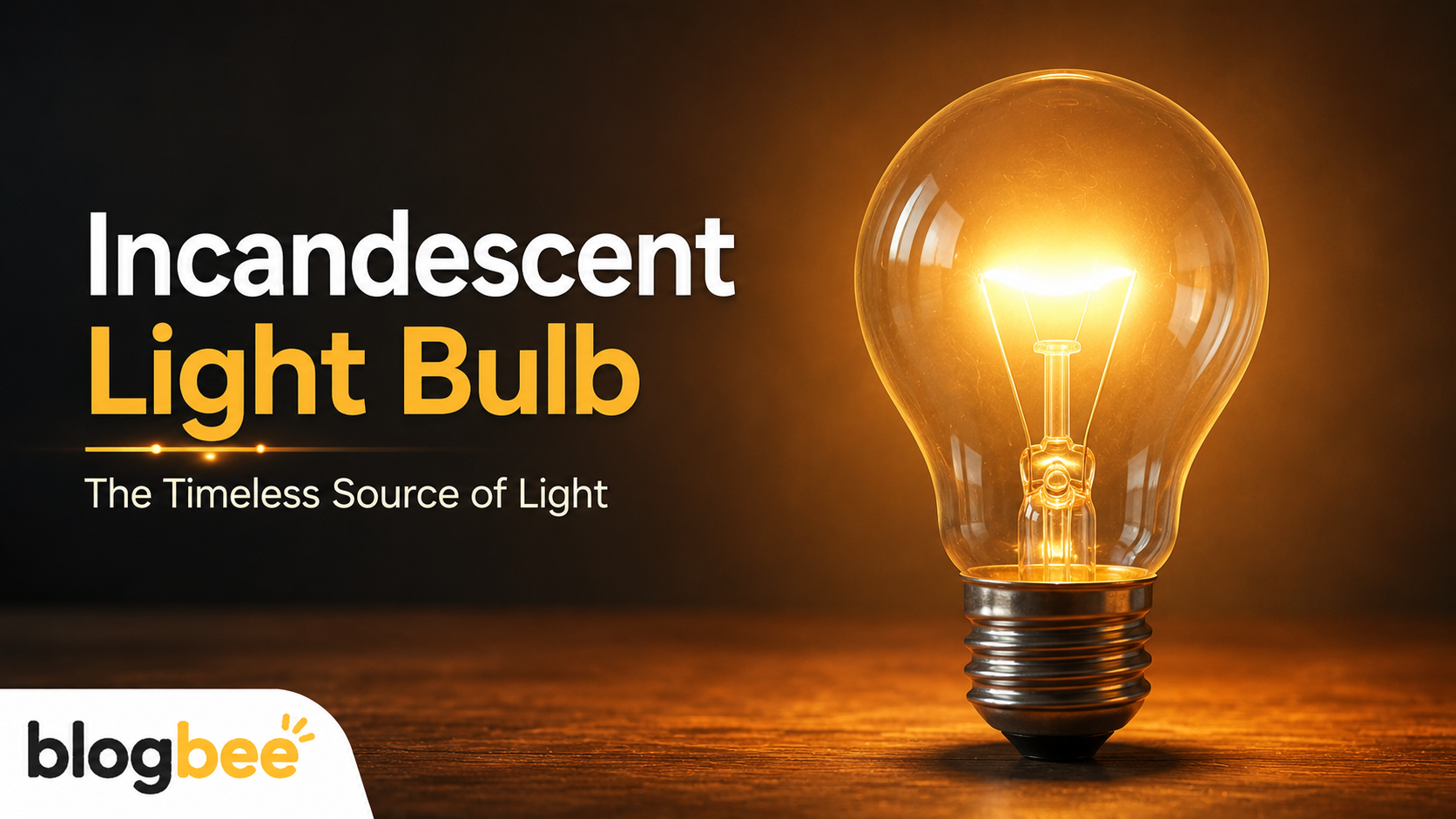
Everyone assumes the incandescent light bulb is basically extinct at this point, replaced entirely by LEDs and left behind as a relic of your grandparents’ house. That assumption is only half true. Plenty of people still reach for an incandescent light bulb on purpose, not out of stubbornness or nostalgia alone, but because there are specific situations where the old technology genuinely does something LEDs still struggle to match perfectly.
This piece takes a practical, hands-on look at where incandescent bulbs actually make sense today, what’s really happening inside that glowing glass shell, how they stack up on real-world cost, and how to track them down now that shelf space has shrunk considerably. Rather than rehashing the ban headlines everyone’s already read, this focuses on the useful, applied side of things, the stuff you actually need to know if you’re deciding whether to keep one in a lamp, a coop, or a closet.
What an Incandescent Light Bulb Is and How It Produces Light
At its core, an incandescent light bulb is one of the simplest pieces of technology you’ll ever plug into a wall. A thin metal filament, made of tungsten in virtually every modern version, sits inside a sealed glass bulb. When electricity passes through that filament, resistance causes it to heat to a blistering temperature, well past 2,000 degrees Celsius, and the filament responds by glowing brightly enough to light a room. That glow-from-heat process is called incandescence, and it’s the entire basis of how the bulb works.
What surprises a lot of people is how little has changed about that basic design since tungsten filaments became standard in the early twentieth century. The glass bulb itself isn’t just a protective shell either, it’s typically filled with an inert gas blend, usually argon mixed with a bit of nitrogen, which slows down the gradual breakdown of the filament and helps the bulb last longer than it would in a plain vacuum. Without that gas fill, the filament would degrade and snap far sooner under the same operating conditions. Incandescent light bulb used to be very useful and people used to like incandescent light bulb.
This simplicity is actually part of the appeal for certain uses. There’s no driver circuitry, no electronic components that can fail independently of the filament itself, and no compatibility quirks with older switches or fixtures. When an incandescent bulb finally does burn out, it’s almost always because the filament itself has physically broken, a straightforward, predictable failure mode that’s easy to diagnose compared to some of the more complex ways electronic lighting components can misbehave.
The Warm Glow Advantage of Incandescent Lighting
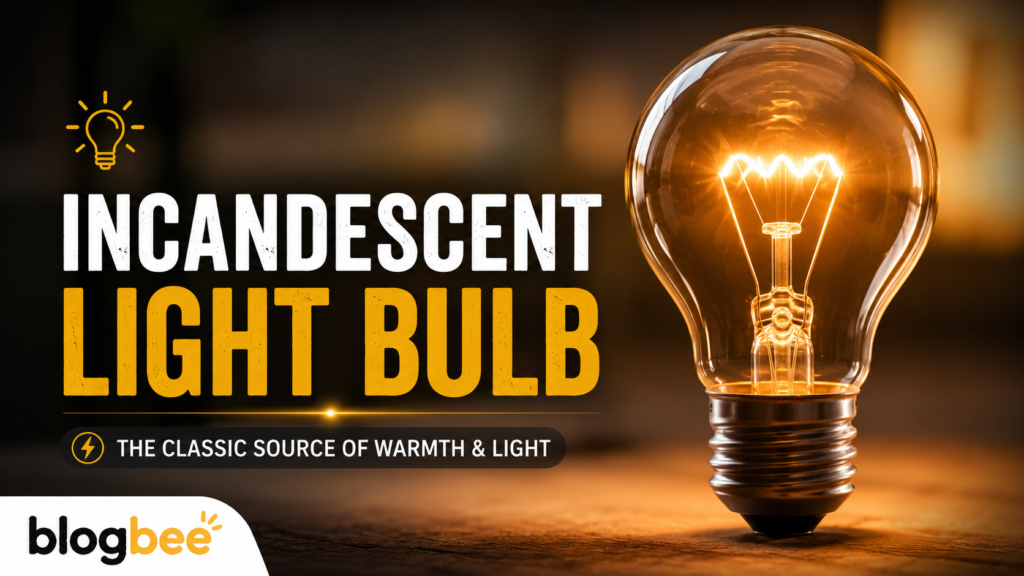
Color quality is where incandescent bulbs still win real, ongoing praise, and it’s not just sentimental preference. Incandescent light produces a continuous spectrum, meaning it emits light smoothly across essentially all visible wavelengths, similar to natural sunlight in that specific respect. This gives objects and skin tones a rendering quality that many photographers, interior designers, and everyday homeowners still describe as noticeably more flattering than early LED alternatives, particularly in warmer color temperature ranges. Incandescent light bulb used to be very useful and people used to like incandescent light bulb.
Dimming performance is another area where the old technology still has a genuine edge in certain setups. Incandescent bulbs dim smoothly and predictably with standard dimmer switches, gradually shifting toward an even warmer, amber-toned glow as brightness decreases. Some budget or older LED dimmers, by contrast, can flicker, hum, or fail to dim below a certain threshold without upgrading to LED-specific dimmer hardware, which adds cost and complexity that a simple incandescent setup avoids entirely.
None of this means LEDs have failed to catch up, high-quality dimmable LEDs with strong color rendering index ratings have narrowed this gap substantially over the past several years. But for anyone using older dimmer hardware, working in a color-critical setting like a photography studio or art space, or simply preferring that specific warm glow for a reading lamp or bedside fixture, incandescent bulbs remain a legitimate, defensible choice rather than an outdated one. Incandescent light bulb used to be very useful and people used to like incandescent light bulb.
Where Incandescent Bulbs Still Make the Most Sense
Appliance lighting is probably the most common place incandescent bulbs continue showing up without anyone thinking twice about it. Oven lights, refrigerator bulbs, and certain microwave lamps are almost always still incandescent, partly because these fixtures require bulbs that tolerate extreme heat or cold cycling in ways standard LEDs aren’t typically built to handle, and partly because these specific bulb categories were exempted from recent efficiency restrictions in the first place.
Backyard chicken keepers and reptile owners represent another practical use case that doesn’t get discussed nearly enough. Incandescent heat bulbs remain a go-to choice for coop heating and reptile terrariums because they generate meaningful, steady warmth as a byproduct of producing light, something LEDs, by design, are specifically engineered not to do. For situations where the heat output itself is the actual goal rather than a wasted side effect, that “inefficiency” becomes the entire point of using the bulb.
Decorative and specialty lighting is a third category worth mentioning. Vintage-style Edison bulbs, often left visibly exposed in pendant fixtures or string lights for a warm, industrial aesthetic, are incandescent by design, and their filament glow is part of the visual appeal that manufacturers are deliberately selling. Some LED versions now mimic this look with a faux filament design, but plenty of buyers still specifically seek out genuine incandescent versions for the authentic warmth and slight flicker that comes with real filament glow rather than a simulated one. Incandescent light bulb used to be very useful and people used to like incandescent light bulb.
How Incandescent Bulbs Compare on Cost and Energy Use
The upfront price gap between an incandescent light bulb and an LED still favors incandescent, sometimes by a wide margin. A basic incandescent bulb often costs somewhere around a dollar, while a comparable LED can run anywhere from three to eight dollars depending on brand, color options, and smart features. For someone furnishing a large space with dozens of fixtures at once, that difference adds up quickly and matters in a way it doesn’t for a single occasional-use bulb.
Operating cost tells a very different story over time, though, and it’s worth being honest about the math. Incandescent bulbs typically produce around 15 lumens of light per watt of electricity consumed, while LEDs commonly deliver 75 to 100 lumens per watt for a similar brightness level. Running an incandescent bulb for several hours a day, every day, over a year adds up to meaningfully higher electricity costs compared to an LED delivering the same amount of light, and that gap compounds the longer the bulb stays in regular use.
Lifespan is the other major factor tilting the long-term math toward LEDs for most everyday fixtures. A typical incandescent bulb lasts around 1,000 hours before burning out, while a decent LED bulb is commonly rated for 30,000 hours or more. For a fixture used constantly, a kitchen ceiling light or a porch light left on overnight, that difference means buying and replacing incandescent bulbs dramatically more often, which chips away at the initial price advantage fairly quickly once you factor in both the electricity and the repeated purchases.
Buying Guide for Finding Incandescent Bulbs Today
Shelf space for traditional incandescent bulbs has shrunk considerably at major retailers following recent efficiency regulations, but that doesn’t mean they’ve vanished from stores entirely. Hardware stores and home improvement retailers still typically stock exempted categories, appliance bulbs, certain heat lamps, and specialty decorative bulbs, even where standard general-purpose incandescent bulbs have largely disappeared from regular shelving. Checking the appliance parts or specialty lighting section rather than the general lightbulb aisle often turns up options that aren’t obviously displayed. Incandescent light bulb used to be very useful and people used to like incandescent light bulb.
Online marketplaces have become a more reliable source for specific incandescent needs, particularly for heat lamps used in agricultural or pet-related contexts, and for vintage-style decorative filament bulbs that have actually grown in popularity for their aesthetic appeal rather than shrinking. Searching by wattage and base type, rather than just “incandescent bulb” generically, tends to produce more accurate results, since retailers categorize specialty bulbs differently depending on their intended use.
When shopping, checking the packaging for lumens-per-watt figures and intended use category helps confirm you’re buying the right product for your specific situation, since mislabeled or miscategorized listings do occasionally show up on larger marketplaces. A bulb explicitly marketed for appliance use, heat lamp use, or decorative filament styling is generally a safer bet for availability and continued legal sale than hunting for a standard general-purpose bulb that’s been phased out of most retail channels. Incandescent light bulb used to be very useful and people used to like incandescent light bulb.
Safety and Handling Tips for Incandescent Bulbs
Heat management deserves real attention with incandescent bulbs, more so than with cooler-running LED alternatives. Because these bulbs convert most of their energy into heat rather than light, they can become genuinely hot to the touch within minutes of being switched on, hot enough to cause burns on contact or, in enclosed fixtures with poor ventilation, create a real fire risk if the bulb touches flammable materials like curtains, paper lampshades, or dry insulation. Incandescent light bulb used to be very useful and people used to like incandescent light bulb.
Checking wattage limits printed on your fixture matters more than people usually realize. Using a bulb with a higher wattage than a fixture is rated for can cause excessive heat buildup inside the fixture housing, potentially damaging the socket, discoloring or melting nearby materials, or in worse cases, creating a fire hazard. This rating exists specifically because of how much heat incandescent bulbs generate, and it’s worth respecting even if a slightly brighter bulb seems tempting for a dim room.
Disposal is fortunately one area where incandescent bulbs are simpler and safer than some alternatives. Unlike CFL bulbs, which contain small amounts of mercury and require special handling and recycling, standard incandescent bulbs can typically go straight into regular household trash without special precautions, since they don’t contain hazardous materials. That said, wrapping a broken bulb carefully before disposal is still a good habit, since broken glass shards pose an obvious physical hazard regardless of what’s inside the bulb.
Common Myths About Incandescent Light Bulbs Debunked
One persistent myth is that the incandescent light bulb has been completely banned and is now illegal to own, sell, or use anywhere in the country. That’s simply not accurate. Regulations targeted specific general-purpose bulb categories based on efficiency standards, while numerous specialty categories remained legal throughout, and existing bulbs already in use were never affected by any ban, meaning nobody has ever been required to remove a working incandescent bulb from their home.
Another common misconception is that incandescent bulbs are universally worse in every practical sense compared to LEDs, full stop. That framing ignores real, specific use cases, heat-generating applications like coop warming or terrarium heating, color-critical work, dimmer compatibility with older hardware, and decorative filament aesthetics, where incandescent technology still serves a genuine, practical purpose rather than existing purely out of habit or resistance to change. Incandescent light bulb used to be very useful and people used to like incandescent light bulb.
A third myth worth addressing is the assumption that incandescent bulbs are always cheaper overall simply because the upfront price is lower. As covered earlier, that’s only true for bulbs used rarely or briefly. For any fixture running regularly for meaningful stretches of time, the combination of higher electricity use and dramatically shorter lifespan usually makes LEDs the more cost-effective option over time, even though the sticker price at checkout tells a different, more misleading story on its own.
Frequently Asked Questions
Can I still legally use incandescent bulbs I already own? Yes, existing regulations affect manufacturing and retail sales of certain bulb categories, not the use of bulbs already in your possession. There’s no requirement to remove or replace working incandescent bulbs currently installed in your home.
Why do chicken coops and reptile tanks still use incandescent heat bulbs? These setups specifically need the heat output that incandescent bulbs generate as a byproduct of producing light, something energy-efficient LEDs are deliberately designed to minimize, making incandescent technology genuinely better suited to heating-focused applications.
Is it true that incandescent bulbs are a fire hazard? They carry more fire risk than LEDs due to their high surface temperature, particularly in enclosed fixtures or near flammable materials, but they’re generally safe when used within a fixture’s rated wattage and kept clear of flammable objects.
Do incandescent bulbs work better in cold weather than LEDs? Incandescent bulbs aren’t significantly affected by cold temperatures since their light output relies on electrical resistance heating rather than semiconductor performance, which can occasionally vary slightly in extreme cold for certain LED designs, though modern LEDs generally handle cold conditions well too.
Are vintage-style Edison bulbs the same as regular incandescent bulbs? Yes, most vintage-style Edison bulbs use genuine incandescent filament technology, just with a visible, often decoratively shaped filament designed to be seen rather than hidden, though LED versions mimicking this look are also increasingly available.
You May Also Read: Why Can’t I Run My Genboostermark Code

