


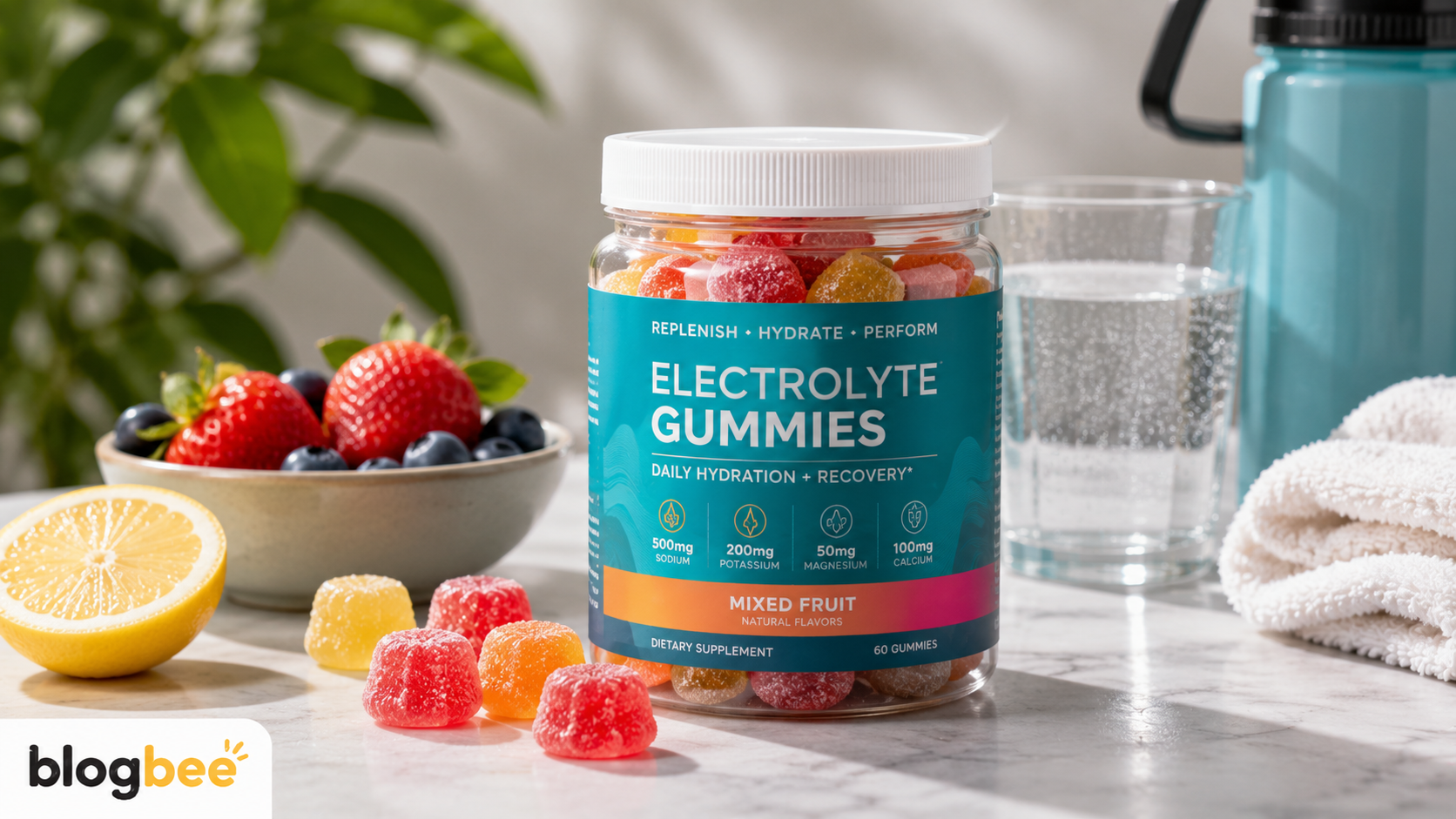
Chugging a giant jug of sports drink every time you feel dehydrated gets old fast, and let’s be honest, most of us forget to drink enough water in the first place. Electrolyte gummies have become a popular workaround for people who want hydration support without the sugar crash of traditional sports drinks or the hassle of mixing powders. This guide breaks down what electrolyte gummies actually do, how to pick a good one, and what to watch out for before you toss a bag into your gym bag or backpack.
Table of Contents
- What Are Elect. Gummies and How Do They Work
- Why People Are Switching to Elect. Gummies
- Types of Elect. Gummies on the Market
- Key Factors to Consider Before Buying Elect. Gummies
- How to Use Elect. Gummies Effectively
- Potential Downsides and Who Should Be Cautious
- Cost Breakdown of Elect. Gummies
- Elect. Gummies Comparison Table
- Frequently Asked Questions
- Final Thoughts
What Are Electrolyte Gummies and How Do They Work
Electrolyte gummies are chewable supplements formulated with minerals like sodium, potassium, magnesium, and sometimes calcium, designed to help replace what your body loses through sweat. Unlike a plain glass of water, which rehydrates but doesn’t replenish these minerals, elect. gummies aim to support the balance your cells need to function properly, especially after exercise, heat exposure, or long stretches without eating much.
The way they work comes down to basic human physiology. Electrolytes carry an electrical charge that helps regulate fluid balance, muscle contractions, and nerve signaling throughout the body. When you sweat heavily, whether from a workout, hot weather, or illness, you lose both water and these minerals together, and replacing water alone doesn’t fully restore that balance. Elect. gummies are formulated to deliver a measured dose of these minerals in a convenient, pre-portioned format instead of requiring you to mix a powder or carry a bottle.
Most gummy formulas also include a small amount of sugar or sugar alcohol to bind the gummy together and make it palatable, along with citric acid or natural flavoring. This is different from an electrolyte powder or tablet, which usually dissolves into a full glass of water and delivers minerals alongside a larger fluid volume. Gummies are meant to complement your regular water intake, not replace it, since chewing a gummy doesn’t provide the fluid your body also needs during dehydration.
Why People Are Switching to Electrolyte Gummies
The appeal of electrolyte gummies largely comes down to convenience. Unlike powders that need water and a shaker bottle, or tablets that need to dissolve, gummies can be tossed into a bag, glove compartment, or gym locker and eaten on the spot with no prep required. For runners, hikers, or anyone who doesn’t want to carry extra liquid, this portability is a genuine practical advantage over traditional hydration formats.
Taste and texture also play a bigger role than people expect. Many users who dislike the chalky aftertaste of electrolyte tablets or the overly sweet taste of sports drinks find gummies easier to tolerate, since they’re formulated more like a treat than a medicinal supplement. This matters for consistency, since a supplement people actually enjoy taking is one they’re more likely to use regularly rather than skipping when it feels like a chore.
There’s also a growing preference for products with simpler ingredient lists. A lot of electrolyte gummy brands market themselves around reduced sugar content compared to traditional sports drinks, along with clearer labeling of exact mineral amounts per serving. For people trying to manage their sugar intake while still supporting hydration during exercise, this shift toward transparent, lower-sugar formulations is one of the bigger reasons gummies have gained traction over the last few years.
Types of Electrolyte Gummies on the Market

Not every electrolyte gummy is built the same way, and the differences usually come down to formulation goals. Sport-focused elect. gummies are designed with higher sodium and potassium content, aimed at athletes or people doing intense physical activity where sweat loss is significant. These tend to be taken before, during, or after workouts to help maintain performance and reduce cramping risk during longer sessions.
Daily wellness gummies take a lighter approach, often containing smaller mineral doses paired with added vitamins like B12 or vitamin C. These are marketed more toward general hydration support for people who simply don’t drink enough water throughout a normal day, rather than for intense athletic recovery. They’re usually lower in sodium since the target user isn’t losing minerals through heavy sweating.
There are also specialty formulations aimed at specific situations, like gummies designed for hot climates with higher sodium ratios, or low-sugar and keto-friendly versions that use sugar alcohols instead of traditional sweeteners. Some brands also offer caffeine-free versus caffeinated options, with the caffeinated versions targeted at people who want an energy boost alongside hydration support, similar to a pre-workout in gummy form.
Key Factors to Consider Before Buying Electrolyte Gummies
Checking the actual mineral content per serving is one of the most important steps before buying, since gummy formulas vary widely in how much sodium, potassium, and magnesium they actually contain. Some products lean heavily on marketing language without providing much electrolyte content per gummy, so reading the supplement facts panel rather than relying on the front label is worth the extra minute.
Sugar content is another detail worth comparing across brands, since some elect. gummies use a notable amount of sugar or corn syrup to achieve the right texture and taste. If you’re taking multiple servings a day or trying to manage overall sugar intake, checking grams of sugar per serving alongside serving size recommendations helps avoid unintentionally consuming more sugar than expected. Sugar-free versions typically substitute with sugar alcohols like erythritol, which can cause digestive discomfort in some people if eaten in larger quantities.
Third-party testing and label transparency also matter, particularly for anyone using elect. gummies regularly as part of an athletic routine. Look for brands that list a lot number, clear ingredient sourcing, or certification from an independent testing organization, since dietary supplements aren’t regulated with the same rigor as pharmaceuticals. This is especially relevant for competitive athletes who need to avoid banned substances that can sometimes appear in poorly manufactured supplements.
How to Use Electrolyte Gummies Effectively
Timing plays a bigger role in how well electrolyte gummies work than most people realize. Taking them shortly before or during extended physical activity, rather than only afterward, helps maintain mineral balance throughout the session instead of only replacing losses after the fact. For activities lasting under an hour in moderate conditions, plain water is often sufficient, and electrolyte gummies become more useful once sweat loss increases with heat, duration, or intensity.
Pairing gummies with adequate water intake is essential since the minerals themselves don’t hydrate you the way fluid does. A common approach is drinking water consistently throughout activity and using electrolyte gummies to supplement mineral replacement rather than treating them as a standalone hydration solution. Skipping water intake while relying only on gummies can leave you undersupplied on fluid even if your mineral levels are covered.
Serving size guidelines on the packaging exist for a reason, and going beyond the recommended dose doesn’t necessarily improve hydration, it can just mean consuming excess sugar or minerals your body doesn’t need. For people using electrolyte gummies daily rather than just around workouts, starting with a lower serving and monitoring how your body responds is a reasonable way to find the right amount for your activity level and climate.
Potential Downsides and Who Should Be Cautious
Electrolyte gummies aren’t automatically necessary for everyone, and for people with a fairly sedentary routine in a moderate climate, plain water usually covers hydration needs without added minerals or sugar. Treating gummies as a daily requirement rather than a situational tool can lead to consuming more sodium or sugar than actually needed, particularly if you’re also eating a typical diet that already includes plenty of sodium from regular food.
People managing conditions like high blood pressure or kidney issues should be particularly cautious with added sodium and potassium intake, since electrolyte supplements can meaningfully affect mineral balance in ways that matter for those specific health situations. Checking with a doctor before adding any electrolyte supplement to a regular routine is a reasonable step for anyone managing a chronic condition or taking medication that affects electrolyte levels.
Digestive sensitivity is another consideration, especially with sugar-free versions that rely on sugar alcohols. Some people experience bloating or mild digestive discomfort when consuming multiple servings of sugar alcohol-based gummies in a short period, so starting with a single serving before increasing intake is a sensible way to gauge personal tolerance. Kids’ formulations also exist, but dosing should follow pediatric guidance rather than adult serving sizes, since mineral needs differ significantly by age and body weight.
Cost Breakdown of Electrolyte Gummies

Pricing for electrolyte gummies typically falls into a mid-range compared to other hydration products, generally costing more per serving than a basic electrolyte tablet but less than many specialty sports drink mixes. Budget-friendly options usually come in larger bulk bags with simpler formulations, while premium brands charge more for added ingredients like extra vitamins, third-party testing, or specific dietary certifications like vegan or non-GMO labeling.
Subscription models have also become common among electrolyte gummy brands, often offering a discount for recurring orders compared to one-time purchases. This can make sense for people who use them consistently as part of a training routine, though it’s worth checking cancellation policies before committing, since some subscription programs make it harder to pause or adjust order frequency than others.
When comparing cost, it helps to calculate price per serving rather than price per bag, since serving sizes and gummy counts per package vary quite a bit between brands. A product that looks cheaper upfront might actually cost more per use if the recommended serving size is higher, so doing that quick math before buying in bulk can save some unnecessary spending over time.
Electrolyte Gummies Comparison Table
| Gummy Type | Best For | Sodium Content | Sugar Level | Added Ingredients |
| Sport-Focused Gummies | Athletes, endurance training | High | Moderate | Sometimes caffeine |
| Daily Wellness Gummies | General hydration support | Low to Moderate | Low to Moderate | Vitamins (B12, C) |
| Sugar-Free/Keto Gummies | Low-sugar diets | Moderate | Very Low | Sugar alcohols |
| Hot Climate Formulas | Heavy sweating, outdoor labor | High | Moderate | Extra sodium/potassium |
| Kids’ Electrolyte Gummies | Children needing hydration support | Low | Low | Pediatric-dosed minerals |
Final Thoughts
Electrolyte gummies aren’t a magic fix for dehydration, but they do offer a genuinely convenient way to support mineral balance for people who sweat heavily, exercise regularly, or simply struggle to keep up with plain water throughout the day. The key is matching the formulation, whether that’s a sport-focused, low-sugar, or daily wellness gummy, to your actual activity level and climate, and pairing them with consistent water intake rather than treating them as a hydration shortcut. Reading the label for real mineral content and sugar levels will tell you a lot more than the marketing on the front of the bag, and that small habit alone can help you pick a product that actually fits what your body needs.
Frequently Asked Questions
Are electrolyte gummies as effective as electrolyte drinks?
They can provide similar mineral content per serving, but since gummies don’t include added fluid, they work best when paired with regular water intake rather than used as a complete replacement for a hydration drink.
Can I take electrolyte gummies every day?
Many people do, but daily use should factor in your overall sodium intake from food, activity level, and climate, since consistently high mineral intake isn’t necessary for everyone with a moderate daily routine.
Do electrolyte gummies contain a lot of sugar?
It depends on the brand and formulation. Some use noticeable added sugar for taste and texture, while others offer low-sugar or sugar-free versions using alternative sweeteners, so checking the label is the best way to know.
Are electrolyte gummies safe for kids?
Some brands offer formulations specifically dosed for children, but these should follow pediatric serving guidelines rather than adult recommendations, and checking with a pediatrician is reasonable for kids with any existing health conditions.
When is the best time to take electrolyte gummies?
Before or during extended physical activity tends to be more useful than only taking them afterward, since maintaining mineral balance throughout activity helps support performance and reduce cramping risk during longer or more intense sessions.
You Might Also Read: Exterior Shades , Leonardo DiCaprio Young , Best IPTV Service Guide

