


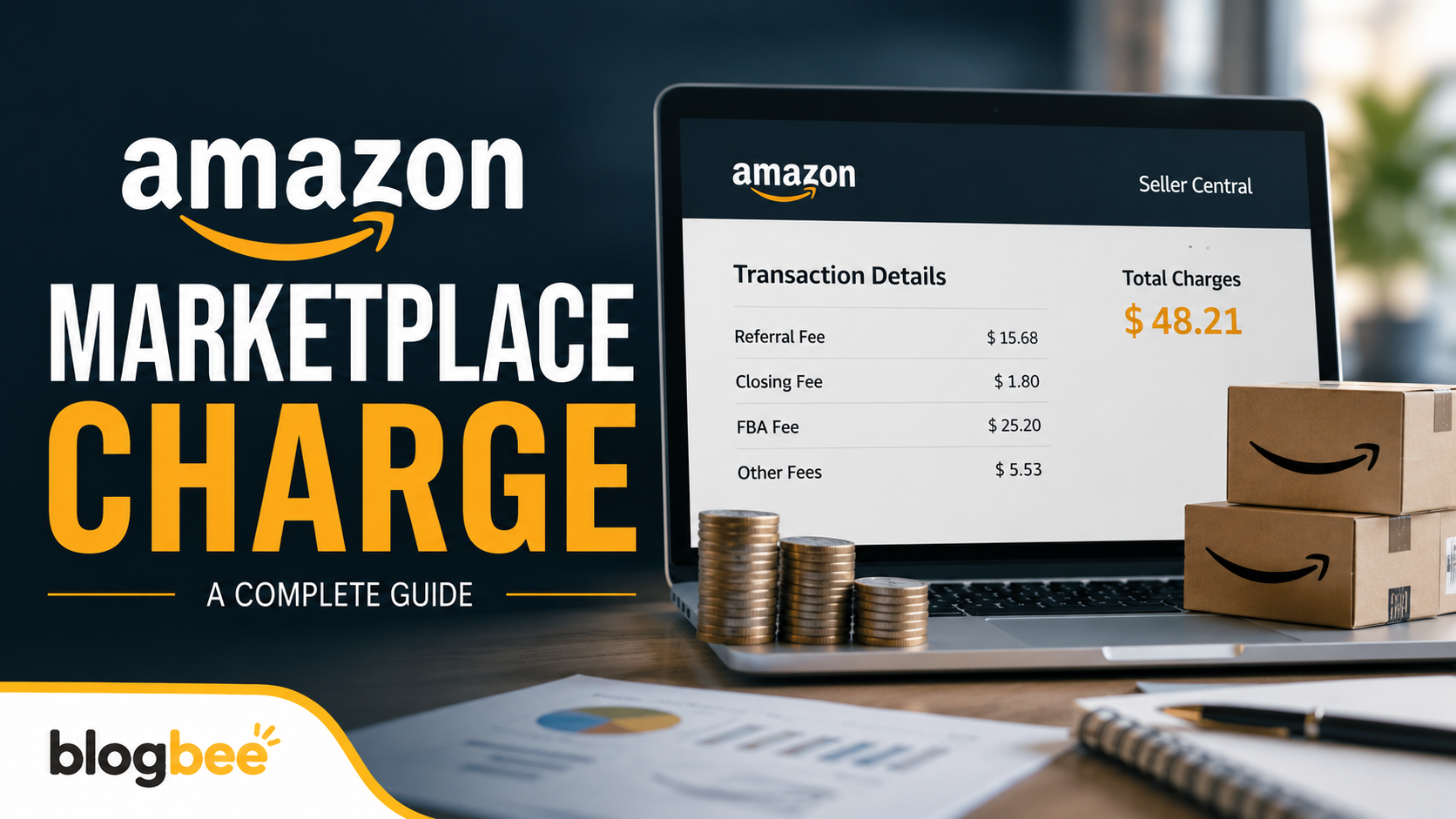
Scrolling through your bank statement and spotting an unfamiliar amazon marketplace charge is one of those small moments that can spike your heart rate a little. Did someone get into your account? Did you forget about a purchase? Is this some kind of scam? Before you panic and call your bank, it’s worth knowing that this specific line item is actually one of the most common and usually most harmless charges people find on their statements.
An amazon marketplace charge simply reflects a payment processed through Amazon’s platform, whether that’s for something you personally bought, a subscription renewal, or a purchase made by someone else with access to your account or card, like a family member. The label itself doesn’t tell you much on its own, which is exactly why so many people search for an explanation the moment they see it show up unexpectedly.
This guide walks through what this charge actually represents, how to figure out exactly what it’s for, when it might signal something you genuinely need to worry about, and what steps to take if you can’t identify it. By the end, you should be able to look at that line item with a lot less anxiety and a lot more clarity.
What An Amazon Marketplace Charge Actually Represents
When your bank or credit card statement shows an amazon marketplace charge, it’s referring to a transaction processed through Amazon’s marketplace payment system, the same infrastructure that handles purchases from Amazon itself as well as third-party sellers operating on the platform. Because so many different types of purchases route through this same system, the generic label doesn’t specify whether you bought a book, renewed a Prime membership, or purchased something through a third-party seller storefront.
This labeling approach isn’t unique to Amazon either, it’s actually common across large online marketplaces and payment processors. Statement descriptors are often generated by the payment processing system rather than the specific merchant, which is why you’ll sometimes see abbreviated or generic labels for purchases made through platforms hosting multiple sellers. Amazon’s marketplace charge label works the same way, covering a huge range of possible purchases under one umbrella term. Amazon marketplace charge is something that people are searching to know more about amazon marketplace charge.
It’s also worth understanding that this charge can appear even if you didn’t buy something directly from Amazon’s own inventory. Third-party sellers who list products on Amazon still process payments through Amazon’s system, which means their charges typically show up with the same or a very similar descriptor rather than the seller’s own business name. That’s a big part of why identifying the exact purchase sometimes takes a little digging.
Common Reasons You Might See This Charge
The most straightforward explanation is simply a recent purchase you made and might have forgotten about, especially if it was a smaller item or something ordered a while before the charge actually posted to your account. Amazon doesn’t always charge your card the moment you place an order, particularly for items that ship separately or get processed in multiple batches, so there can be a noticeable delay between the order and the charge appearing on your statement. Amazon marketplace charge is something that people are searching to know more about amazon marketplace charge.
Subscription renewals are another extremely common trigger. Prime membership renewals, Kindle Unlimited, Audible subscriptions, and various other recurring Amazon services all bill automatically unless canceled, and these renewal charges often catch people off guard simply because the renewal date snuck up on them. If you’ve ever signed up for a free trial and forgotten to cancel before the trial period ended, this is very often where that surprise charge comes from.
Shared account access is a factor that gets overlooked more than it should. If you have a family member, partner, or household member with access to your Amazon account or a shared payment method on file, any purchase they make will show up under the same amazon marketplace charge label on your statement. This is a particularly common source of confusion in households where multiple people order things independently without necessarily telling each other every time.
How To Identify Exactly What The Charge Was For
The most reliable first step is logging into your Amazon account directly and checking your order history rather than trying to guess based on the statement alone. Amazon’s order history page lets you filter by date range, which makes it fairly easy to cross-reference the exact date and amount of the charge on your statement against your actual order records. Most of the time, this single step resolves the mystery within a couple of minutes.
If the charge doesn’t match anything visible in your order history, it’s worth checking your account’s subscription and digital content sections separately, since some recurring charges, particularly for digital subscriptions or Kindle purchases, don’t always show up in the same order history list as physical product purchases. Checking your Amazon Prime membership status and any digital subscriptions you’ve signed up for can reveal charges that wouldn’t otherwise be obvious from a standard order search.
For charges that still don’t make sense after checking both order history and subscriptions, Amazon’s payment history report gives a more complete transaction record tied specifically to your payment methods rather than just your visible orders. This report can sometimes surface transactions that are harder to find through the standard order history interface, particularly for older purchases or transactions involving gift cards and account credits that complicate the picture slightly.
When An Amazon Marketplace Charge Might Signal A Real Problem
While most unfamiliar charges turn out to have a simple explanation, it’s worth taking the possibility of unauthorized account access seriously if you genuinely can’t account for the charge after checking your order history, subscriptions, and payment reports. If someone has gained access to your Amazon account without permission, they could potentially place orders using your saved payment methods, which would show up exactly like a normal amazon marketplace charge on your statement.
A clear warning sign is finding charges that don’t correspond to anything in your account at all, combined with other unusual account activity like unfamiliar shipping addresses saved to your profile, password reset emails you didn’t request, or order confirmations for items you never ordered. If you notice any of these signs alongside an unexplained charge, changing your Amazon password immediately and reviewing your account’s connected devices and login activity is a smart precaution.
It’s also worth distinguishing between unauthorized account access and simple card fraud, since these are different problems requiring different responses. If your card number itself was compromised somewhere unrelated to Amazon, a fraudulent charge could theoretically be run through Amazon’s marketplace by someone using your stolen card details on a completely separate Amazon account that has nothing to do with yours. In that scenario, checking your own Amazon order history won’t reveal anything, since the fraudulent purchase never touched your actual account, and the real fix is contacting your bank or card issuer directly to dispute the charge and get a new card issued.
Steps To Take If You Cannot Identify The Charge
Start by gathering the specific details from your bank statement, the exact charge amount, the transaction date, and any reference number listed alongside the amazon marketplace charge label. Having these specifics ready makes any follow-up conversation with either Amazon customer service or your bank significantly faster, since vague descriptions make it much harder for a support representative to track down the source of the charge.
If checking your account thoroughly doesn’t turn up an explanation, contacting Amazon customer service directly is the next logical step. Amazon’s support team can look up transactions tied to your account using the specific amount and date, which sometimes reveals purchases that aren’t obviously visible through the standard account interface, particularly for older transactions or ones involving gift cards, promotional credits, or split payments across multiple methods.
If Amazon confirms the charge isn’t associated with your account in any way, your next call should go to your bank or credit card issuer to report the transaction as unauthorized. Most banks and card networks have fraud protection policies that allow you to dispute charges you didn’t authorize, and reporting it promptly generally improves your chances of getting the charge reversed. Keep a record of your conversation with Amazon support as documentation, since your bank may ask for details about the steps you’ve already taken to verify the charge.
How To Prevent Confusing Charges Going Forward
Setting up purchase notifications through Amazon’s app or email alerts can go a long way toward eliminating this kind of confusion before it even happens. Getting a real-time notification every time an order is placed on your account means a charge showing up on your statement later rarely comes as a surprise, since you’ll already have context for what it was from the moment the purchase happened.
Reviewing your active subscriptions periodically is another simple habit worth building. It’s easy to forget about a Kindle Unlimited trial or an Audible membership you signed up for months ago, and a quick check of your subscription settings every few months can help you catch and cancel anything you’re no longer using before it renews and shows up as an unexpected charge on your statement.
If you share your Amazon account or payment methods with family members, setting up clear communication about purchases, or better yet, using Amazon Household or separate accounts with individual payment methods, can prevent a lot of the confusion that comes from shared access. This is particularly useful in households with teenagers or multiple adults who might order things independently without necessarily mentioning it to whoever manages the primary account and payment method.
Frequently Asked Questions
What does an amazon marketplace charge on my statement mean? It means a payment was processed through Amazon’s platform, which could be for a personal purchase, a subscription renewal, or an order placed by someone with access to your account or payment method.
Why don’t I recognize a recent amazon marketplace charge? Common reasons include delayed billing for a past order, a forgotten subscription renewal, or a purchase made by a family member using a shared account or payment method.
How can I find out exactly what an Amazon charge was for? Check your Amazon order history using the exact date and amount from your statement, then review your subscriptions and payment history report if the order history doesn’t explain it.
What should I do if I cannot identify the charge at all? Contact Amazon customer service with the specific charge details, and if they confirm it’s not tied to your account, report the transaction to your bank or card issuer as unauthorized.
Can someone charge my card through Amazon without accessing my account? Yes, if your card details were compromised elsewhere, someone could use them on a separate Amazon account, meaning the charge would not appear in your own order history at all.
How can I avoid confusing Amazon charges in the future? Turning on purchase notifications, periodically reviewing your active subscriptions, and managing shared account access carefully can significantly reduce unexpected or unclear charges.
You May Also Read: Joe Burrow Olivia Ponton

